- Sep 8, 2019
The MUST-HAVE Best Lens for Food Photography
- Courtney Slazinik
- 0 comments
Light, editing, styling… there’s so many things we photographers love to talk about & it’s no surprise that gear is high on that list, especially about the best lens for food photography. Over the past few years, I’ve slowly built up my lens collection & feel like I’ve learned a lot. I’ve been put in new situations where I’ve realized a certain lens would have come in handy.
Deciding on the best lens for food photography
I’ve also seen my excitement rise over a new lens & then after a few months realize it collected more dust on my shelf than images on my camera body. For me, I always take my style of photography into account. Sure, some lenses are just built to be workhorses & can tackle a myriad of subjects but today we’re talking specifically about the best lens for food photography.
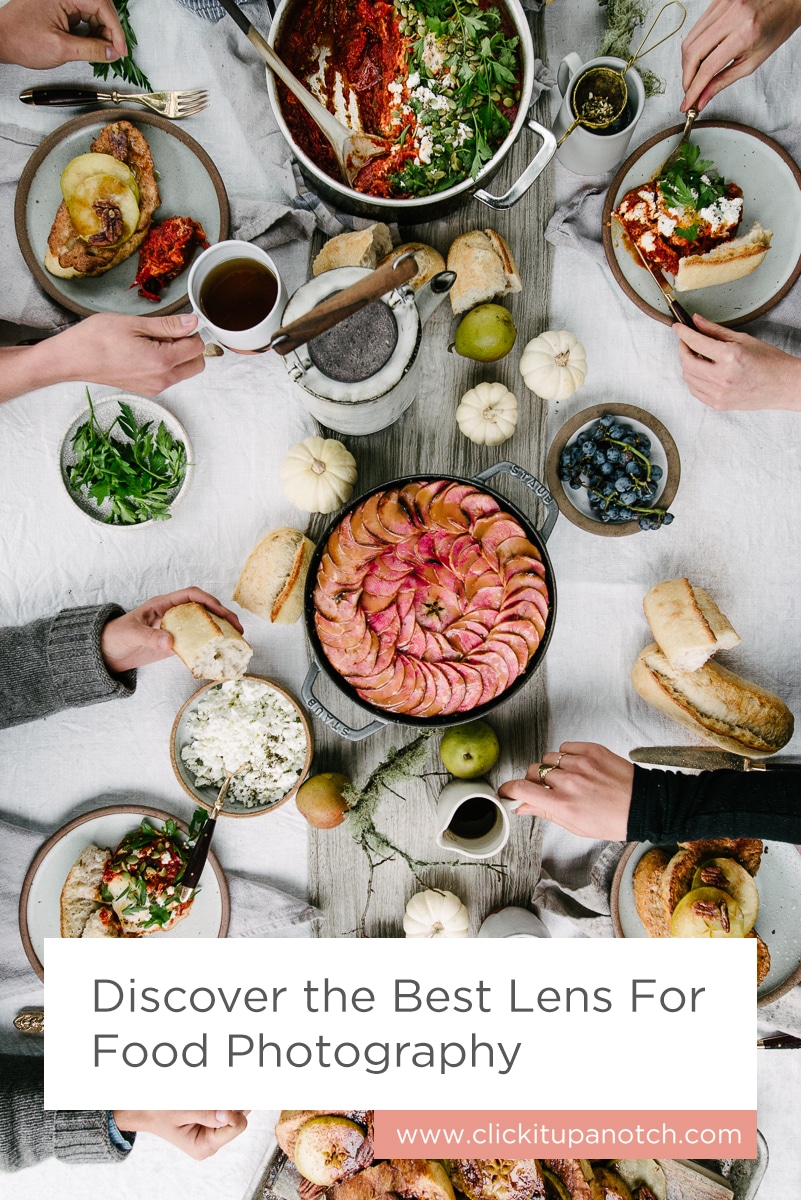
Read more: 7 Must Read Food Photography Tutorials
I should also preface this post with the fact that I am a prime lens girl. If you were hoping to hear about that super expensive zoom lens everyone is talking about, sorry, can’t help ya there.
I’m sure there are lots of reviews on zoom vs prime lenses for food photography but in my experience, I’m just so comfortable with letting my feet do the walking I’ve never needed to test out any zoom lenses! Below is a list of the best prime lenses for food photography.
Full Frame or Crop Sensor Camera Lens Recommendations
Something else important to note when we talk about lenses & focal length, is determining if you have a crop or full frame sensor camera.
With a full frame sensor camera, the lens will perform very much how it is expected to in regards to the focal length of your lens. So, 35mm will look like a 35mm. A crop sensor camera has a sensor with smaller dimension (hence the term ‘crop’) so your lens will appear to be zoomed in slightly more.
This isn’t necessarily good or bad. I shot with a crop sensor camera for several years before moving on to a full frame. So for reference, a 35mm lens on a crop sensor camera will look more like a 50mm on a full sensor camera. Or, when using a crop sensor, your lens focal length will always appear to be a bit less. But you’ll probably never even notice it.
Read more: Cameras for Food Photography
Aperture & Food Photography
Another subject that comes up often is how wide should your aperture be? Is 1.8 enough? How about 1.4 or even 1.2? Sometimes there can be a difference of several hundred dollars between those aperture choices!
My best advice is research, research, research. When choosing between aperture options I do as much research as I can online looking to see what other professionals have said.
I read forums & look at images taken with both the lens I want & the camera body I have. Is the 1.4 worth the extra few hundred dollars? Would I be just as happy with the 1.8 & some extra cash in my pocket? Can I invest in the 1.8 & use it now while I save up for the 1.4? I’ve never been disappointed in my lens choices.
*This post contains affiliate links. Thank you in advance for supporting Click it up a Notch.
Best Lens for Food Photography
35mm or 50mm lens
A standard or ‘normal’ lens size is an excellent first lens for any food photographer. It feels natural when viewing because it most closely captures what the human eye would see.
You’ll likely do most of your shooting with this lens so consider what focal length you choose as your workhorse. Aside from food photography, it will have a ton of other uses so you could probably claim this as your only lens for years & be completely happy.
A standard lens will usually be fast & have a wide aperture, both of which are great for shooting indoors with natural light & as I mentioned before, will most likely mimic what your eye would see naturally.
Read more: What lens should I buy first? and 35mm vs 50mm
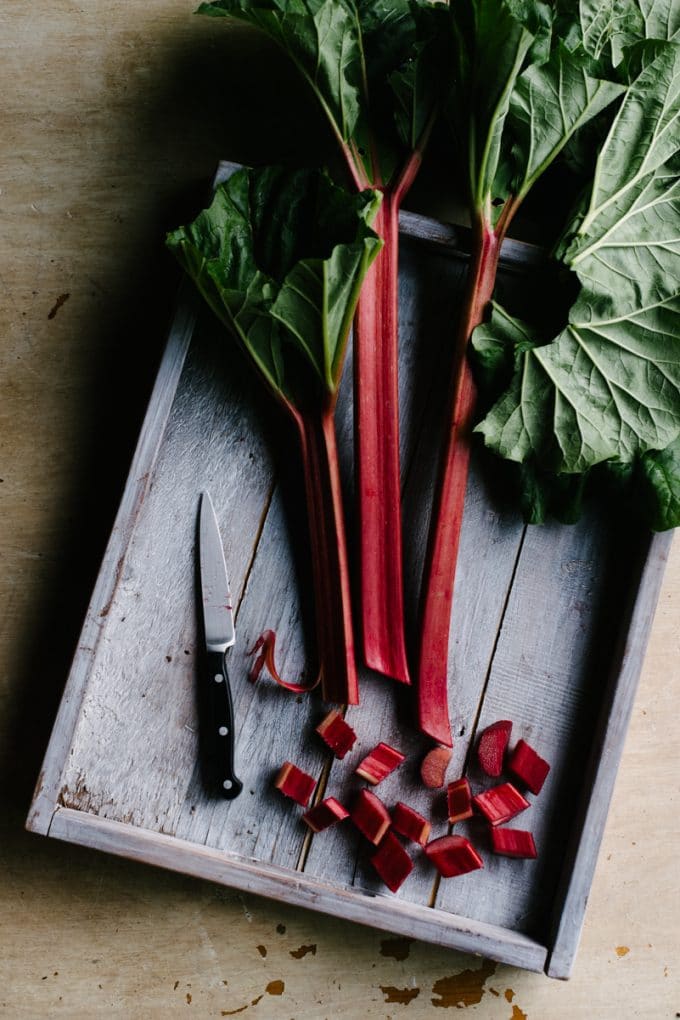
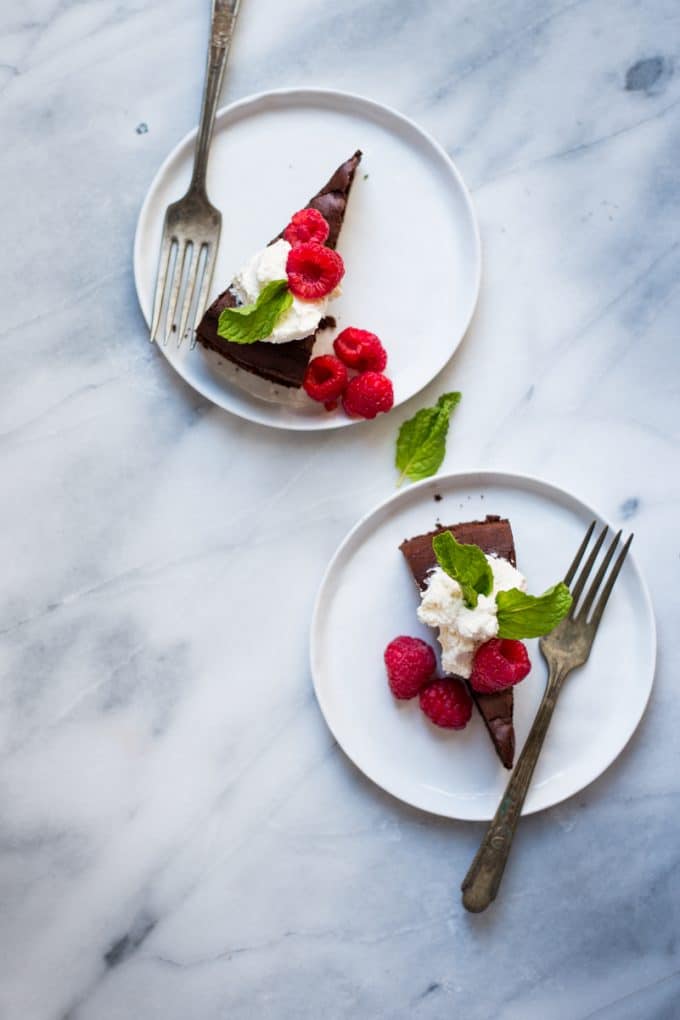
I currently shoot with a Nikon 50mm f1.8 & they don’t call it a Nifty 50 for nothing! My 50mm takes great wide overhead shots, pull backs, head on shots & just about anything else I throw at it.
It’s a good solid, all around lens that I always feel comfortable using. I can count on this lens to photograph almost anything I can think of. But variety is the spice of life so… nothing wrong with some diversification!
85mm lens
A short telephoto lens is great for getting close when you don’t want to get too close. I originally got my 85mm because I wanted to try my hand at more portrait photography – ya know, like things with faces.
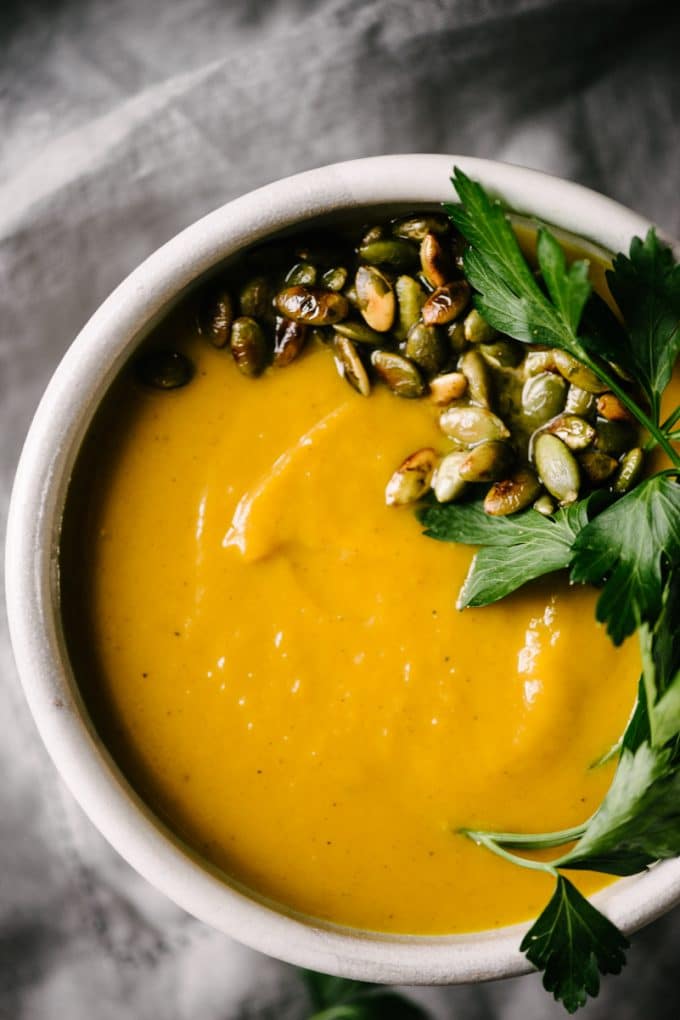
But I have been so darn smitten with how my 85mm shoots food photos that I kinda can’t live without it now. If you pine for creamy bokeh (& I’m certain you do!) & a dreamy feeling to your images, consider an 85mm. I love using this when I want to get a touch closer than my 50mm.
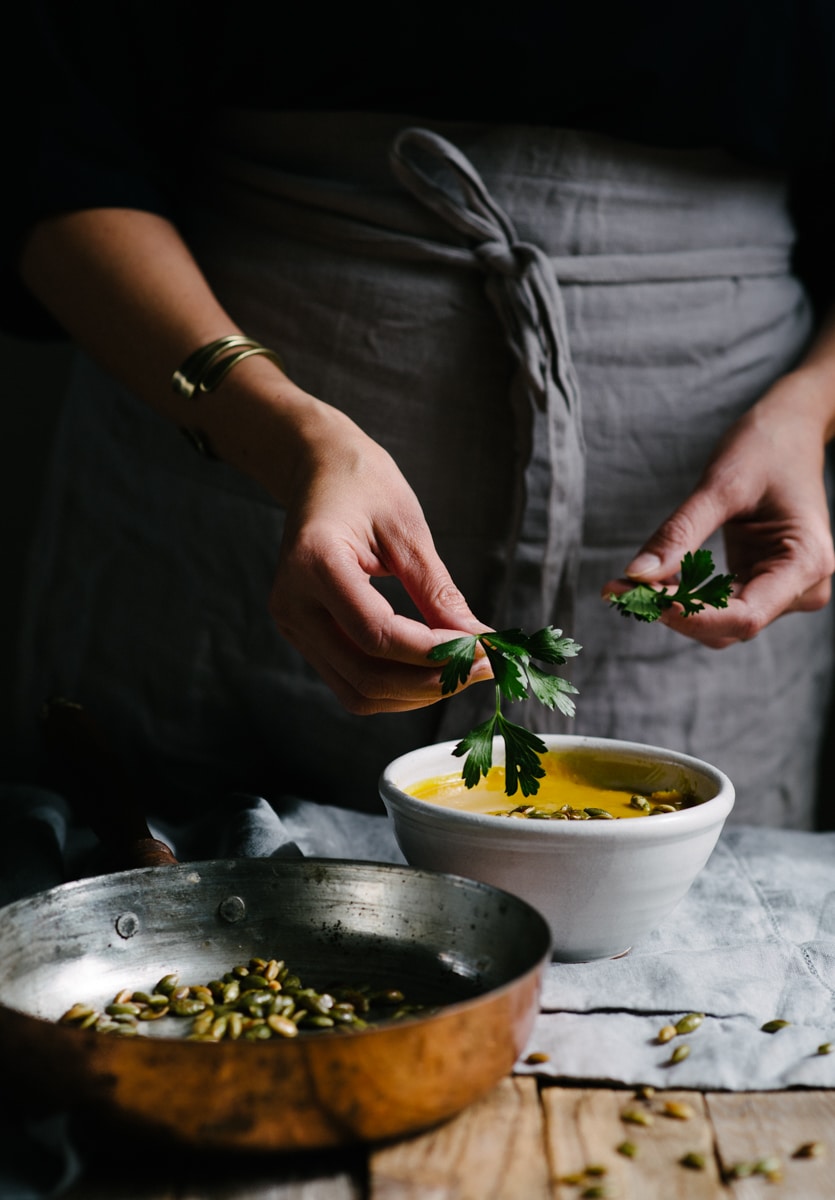
A short telephoto lens is ideal for shooting portraits so why not take this opportunity to capture more people in your food shots! Hands, chins, arms & wrists. I love adding human elements into my food images because of the storytelling aspect it provides.
The compression of a telephoto lens will make objects appear closer so I also love using my 85mm when I want to get a bit personal with my food subject. If there’s a story in the texture I need to tell, this is a great lens to use.
It’s also been a life saver when I’m on a location shoot with several other photographers! While everyone is crouched down & crowding around our subject, my 85mm allows me to step back & probably still get the shot I wanted.
Macro lens
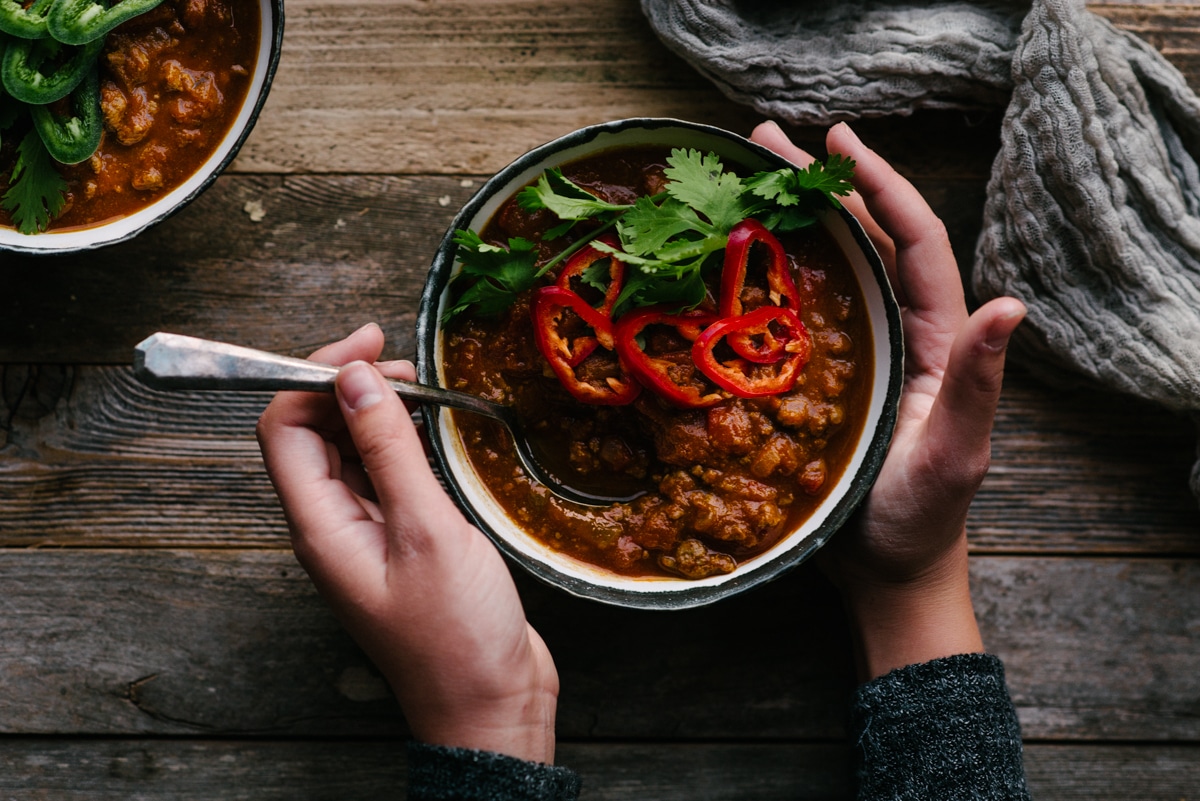
A macro lens is a great option for any food photographer’s arsenal. Macro photography will allow you to capture extremely fine details in focus. Want to see a tiny grain of salt? How about a close up of a sprinkle on a cupcake?
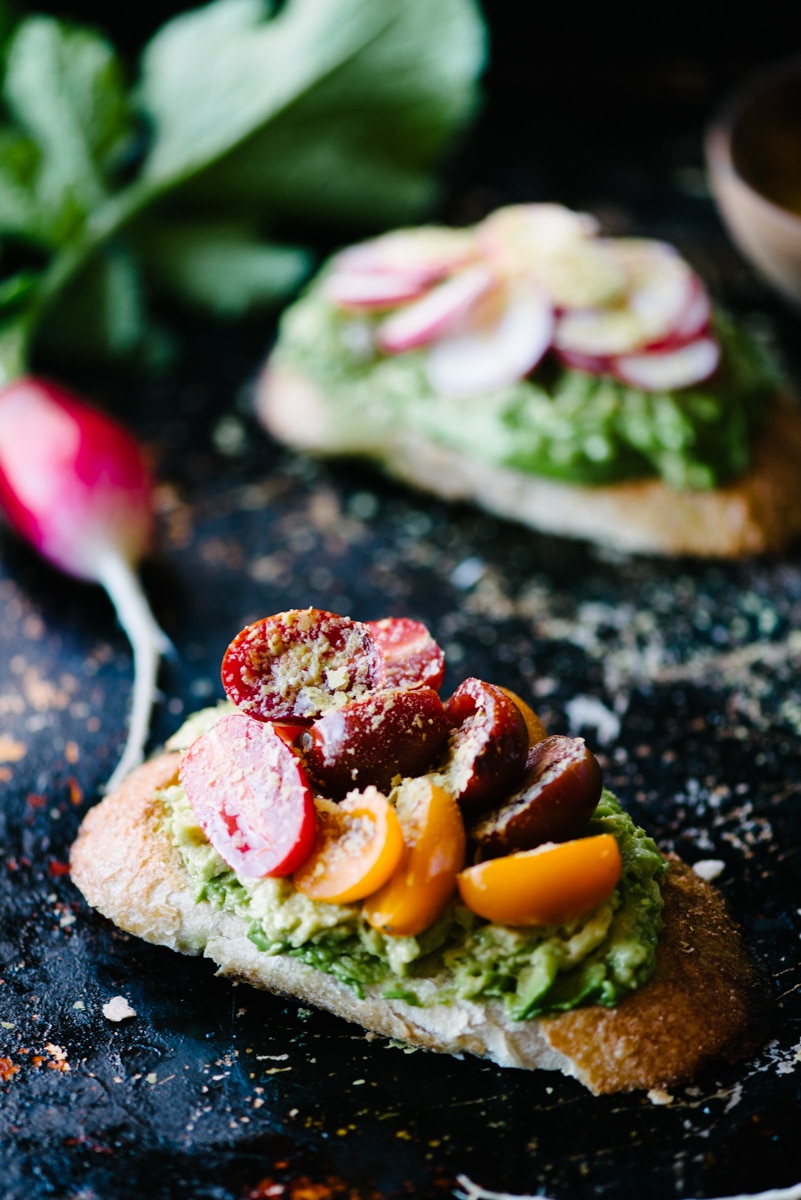
This is the lens you’re looking for if you want to photograph very small subjects at a close distance. The macro lens will allow you to focus much closer & essentially fill your frame with your subject. I use this lens when I want to see as much detail as possible.
I currently use a Nikon 105mm f/2.8.
Wide angle lens
The wide angle lens is the most recent lens I’ve added to my collection & it was a bit of an unexpected addition! Honestly, I’d never really seen a need for anything wider than my 50mm. I was shooting mostly in my home, sometimes the room would change, but typically I was always shooting in small locations that benefitted from my normal lens focal length.
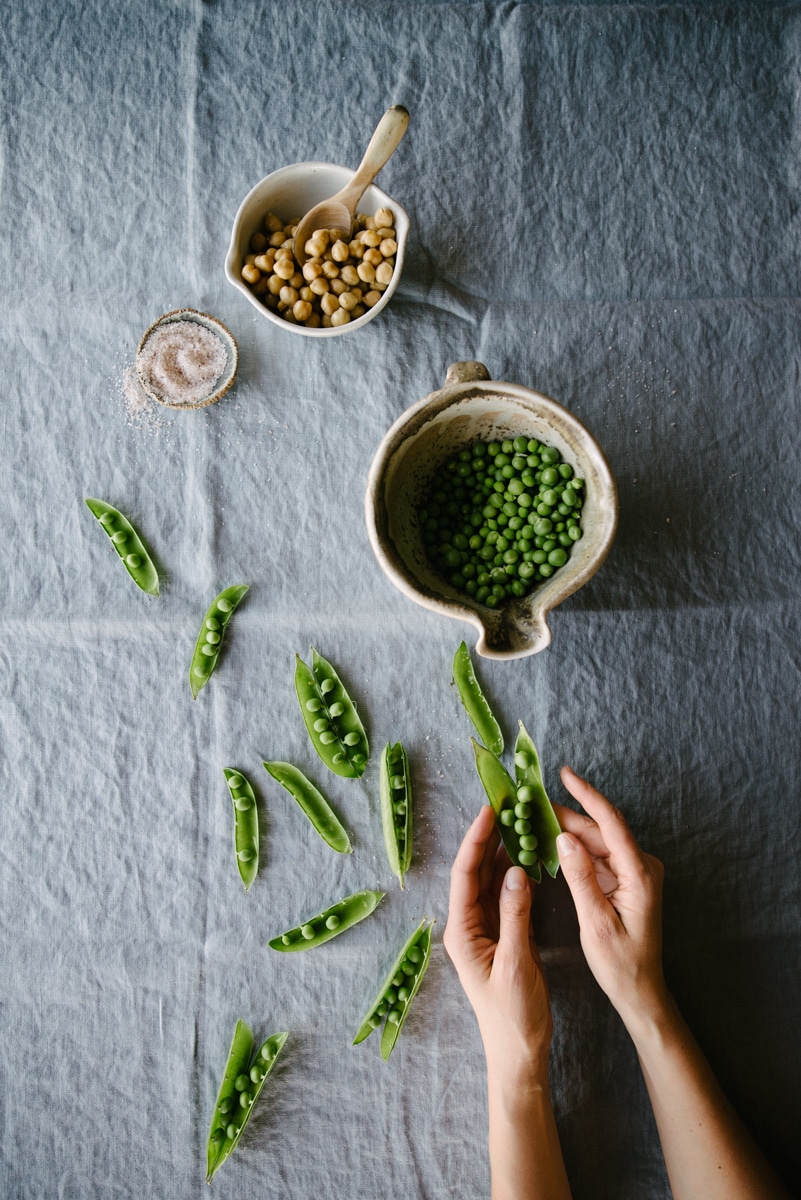
And then I started venturing out. It was probably after my recent trip to Croatia when I realized I was really disappointed I wasn’t able to get these wide sweeping tablescapes & it was all bc I needed a wider lens. Plus, I had minimal lens distortion.
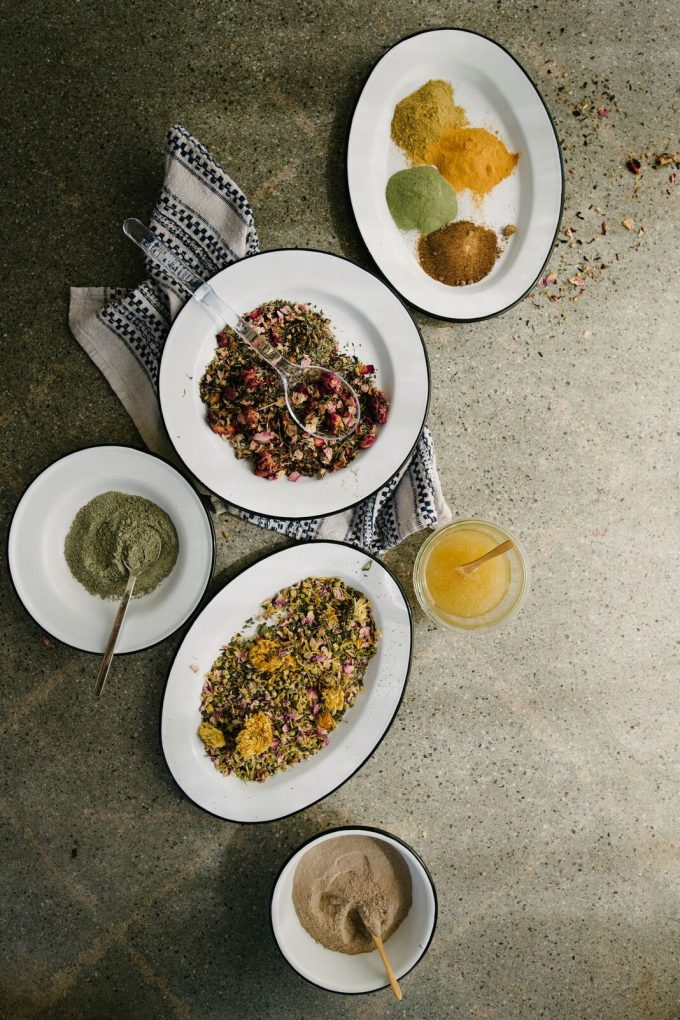
I opted for a Sigma 24mm & it’s been a dream. Ideal for long, inclusive overhead table shots & more!
Want to see a quick comparison of the above lenses? Here you go!
24mm
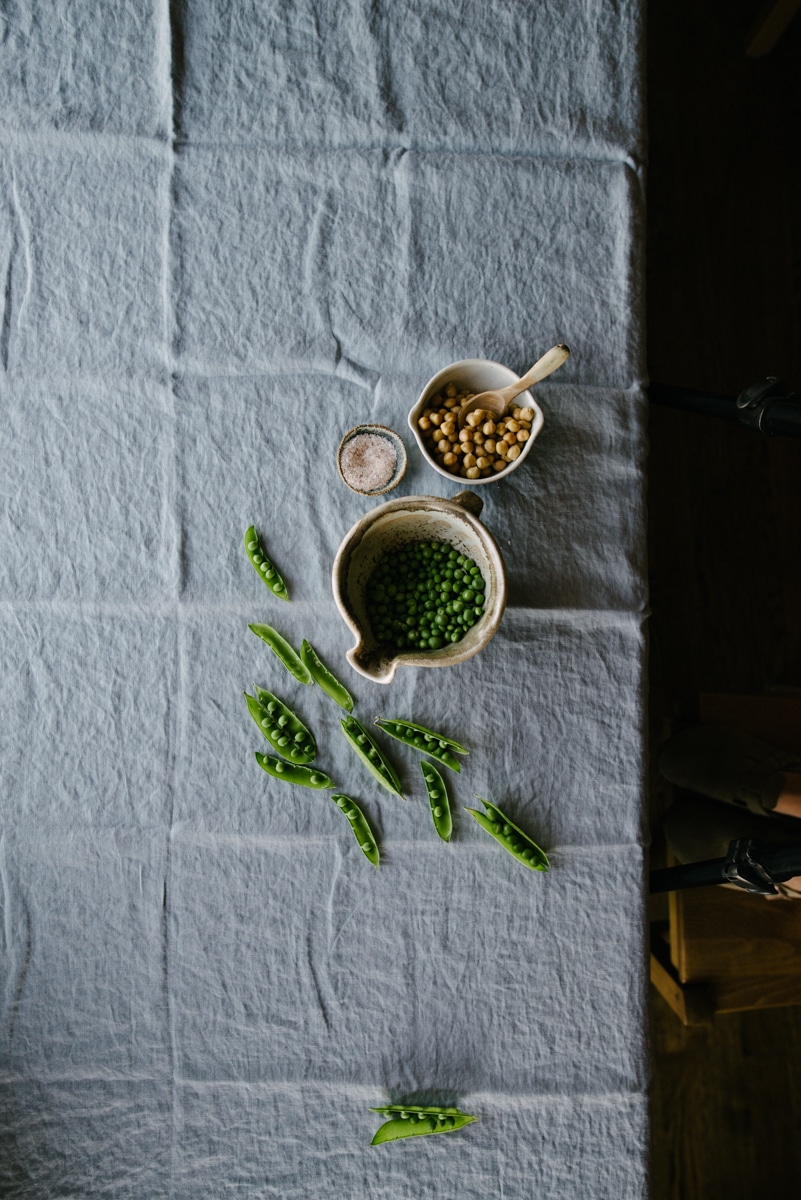
50mm
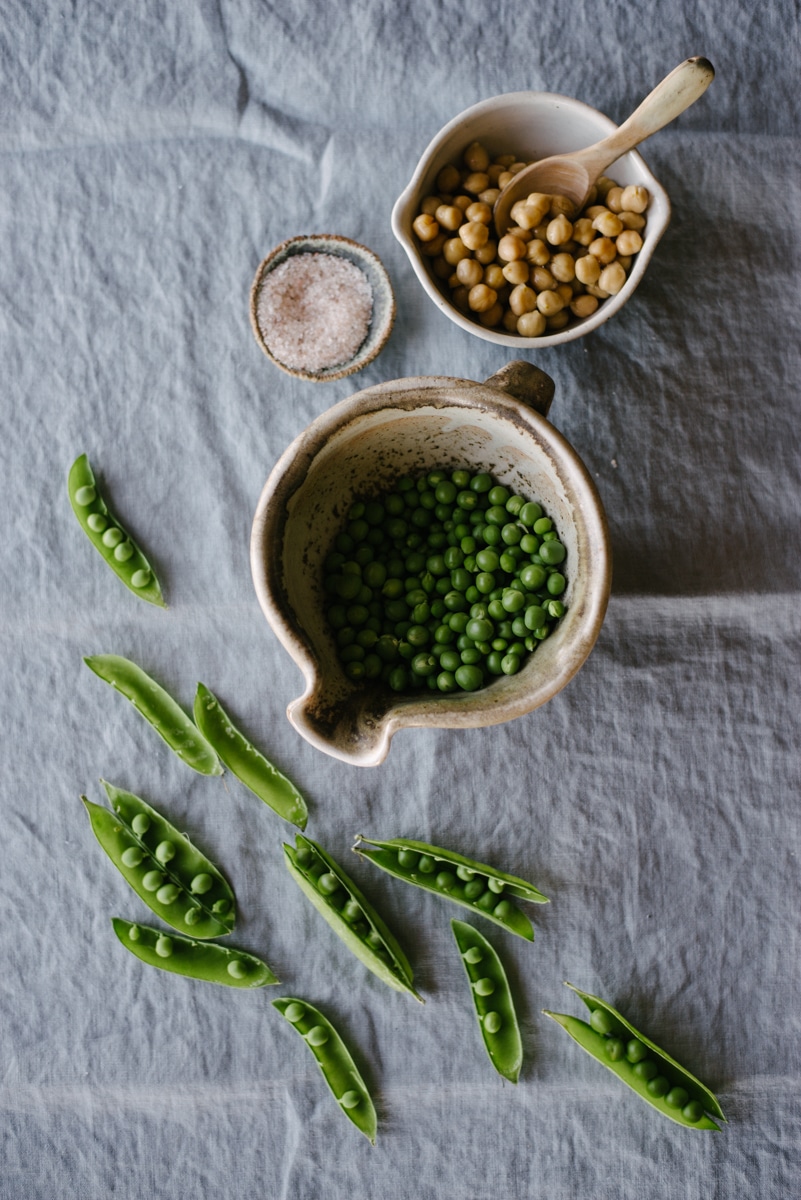
85mm
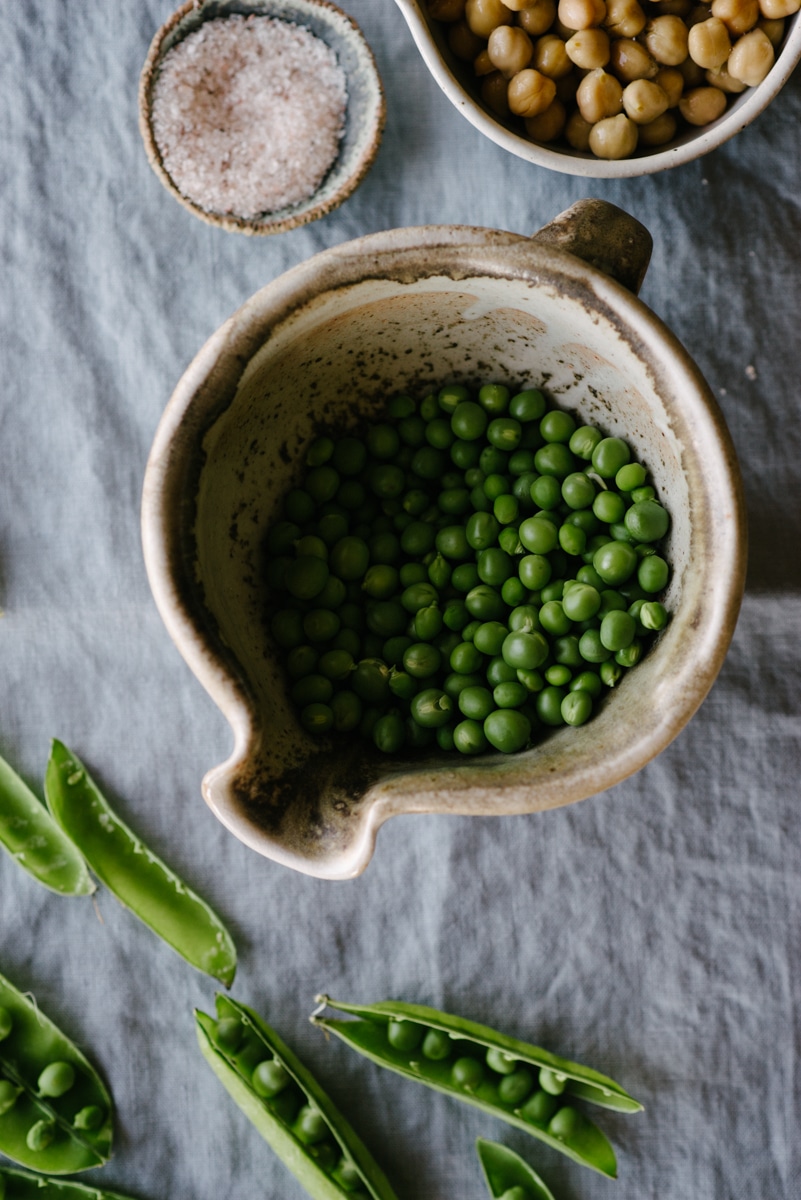
Macro
Get more awesome food photography tips:
– How to Excel in Food Photography on a Shoestring Budget
– 4 Ways Food Photography Made a Better Photographer
– 4 Dramatic Lighting Tips for Food Photography
– 3 Easy Ways to Improve your Food Photography
The post The MUST-HAVE Best Lens for Food Photography appeared first on Click it Up a Notch®.